Capturing the Frame
Film technology developed around a deceptively simple idea: recording a sequence of still images quickly enough to create the impression of movement. Early cinema cameras achieved this through carefully controlled mechanical systems that advanced photographic film frame by frame.
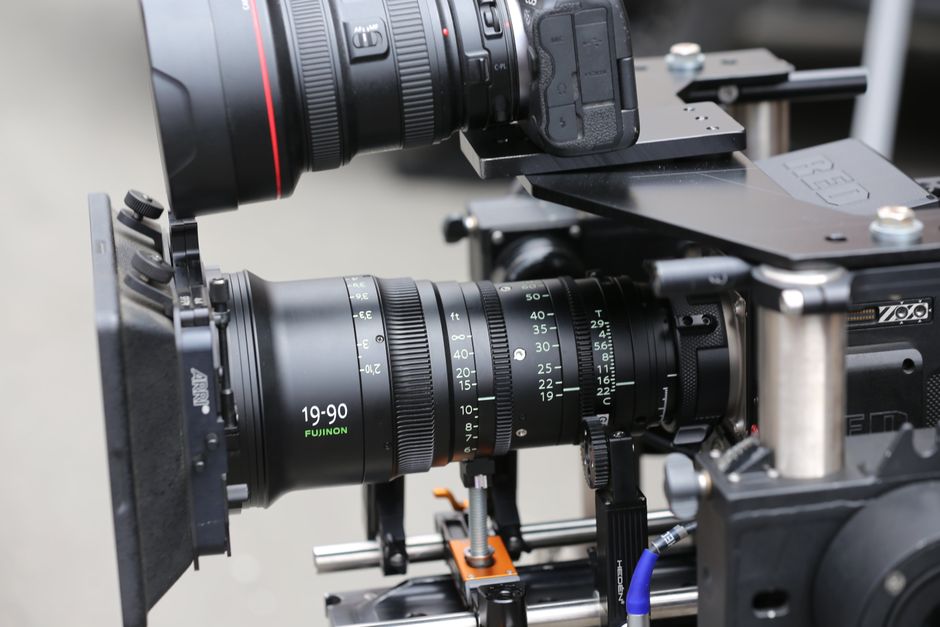
The camera body had to maintain consistent film movement while the shutter controlled the amount of light reaching each frame. Lenses provided another important variable, determining perspective, focus, and the amount of available light.
As production methods became more sophisticated, cameras were adapted for different film gauges, shooting conditions, and creative requirements.
Film Transport
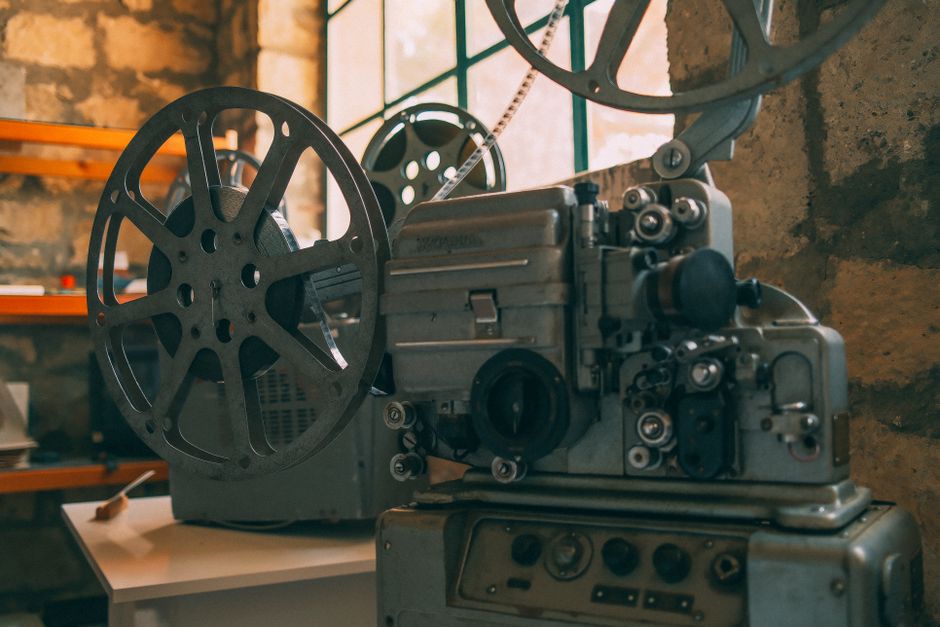
Precise film movement was fundamental to both cameras and projectors. A camera needed to position each frame accurately for exposure, while a projector had to move the developed film through the projection gate at a controlled rate.
Mechanical components such as sprockets, claws, rollers, and intermittent movement mechanisms made this possible. Their accuracy affected image steadiness and helped prevent damage to the film.
Maintenance was therefore an essential part of cinema equipment operation.
Optical Systems
Lenses influenced the appearance of projected and photographed images throughout the history of cinema. Different focal lengths allowed filmmakers to alter framing and perspective, while aperture settings affected exposure and depth of field.
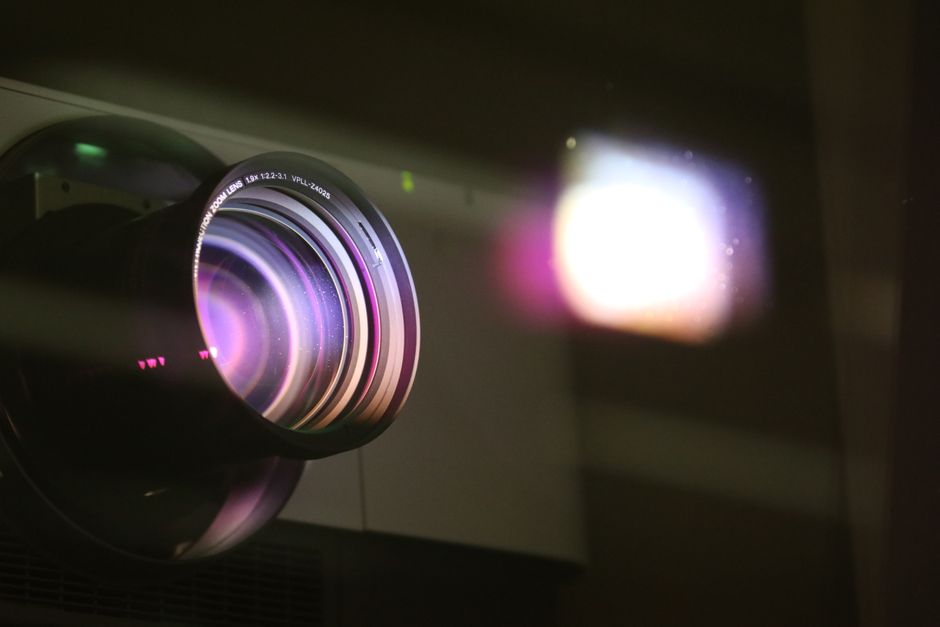
Projection lenses had a different task: they needed to enlarge the recorded image while maintaining sufficient sharpness across the screen.
Advances in optical glass, coatings, and lens manufacturing gradually improved image quality and reduced unwanted optical effects.
Projecting Film
Traditional cinema projectors combined a powerful light source with a precision film transport mechanism. Each frame was positioned briefly in front of the light, while a shutter interrupted illumination during the transition to the next frame.
The result was a continuous sequence of projected images that appeared to move when viewed by an audience.
Projector design also evolved alongside improvements in screen size, theater architecture, sound reproduction, and film formats.
Changing Film Formats
Cinema equipment changed considerably as filmmakers adopted wider screens, color processes, improved sound systems, and different film gauges.
Larger formats could provide greater image detail, while specialized formats offered practical advantages for particular productions. Soundtracks also became integrated into the physical film, requiring accurate synchronization between image and audio.
Each development created new requirements for cameras, editing equipment, projectors, and theater installations.
Digital Cinema
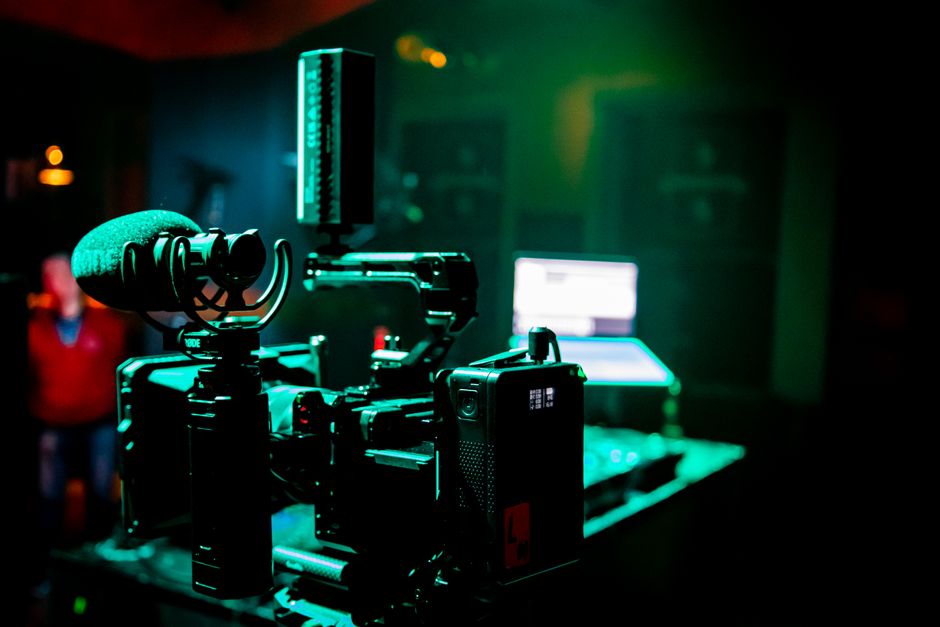
Digital imaging eventually transformed much of the traditional workflow. Electronic sensors replaced photographic film in many cameras, while computer-based editing eliminated much of the physical handling associated with cutting film.
Digital projection likewise replaced mechanical film transport with electronic image processing and high-resolution display systems.
Nevertheless, many underlying principles remain recognizable. Cameras still depend on lenses and exposure, projection still requires controlled light and optics, and image quality continues to depend on precise equipment.
The evolution of cinema equipment shows how mechanical engineering, photography, optics, and electronics have worked together to transform the process of creating and presenting moving images.